
Lunar-orbit round trip
¥80,000Long-term goal per person: lunar orbit and Earth return, without a lunar landing or hotel. Not a verified cost or a sale price; achievable date undecided.
Space Travel
A journey around the Moon. A future on Mars. And worlds still further away. Explore the destinations in our long-term vision, and the transport and energy they will need.※1
Future concepts · no bookings or sales
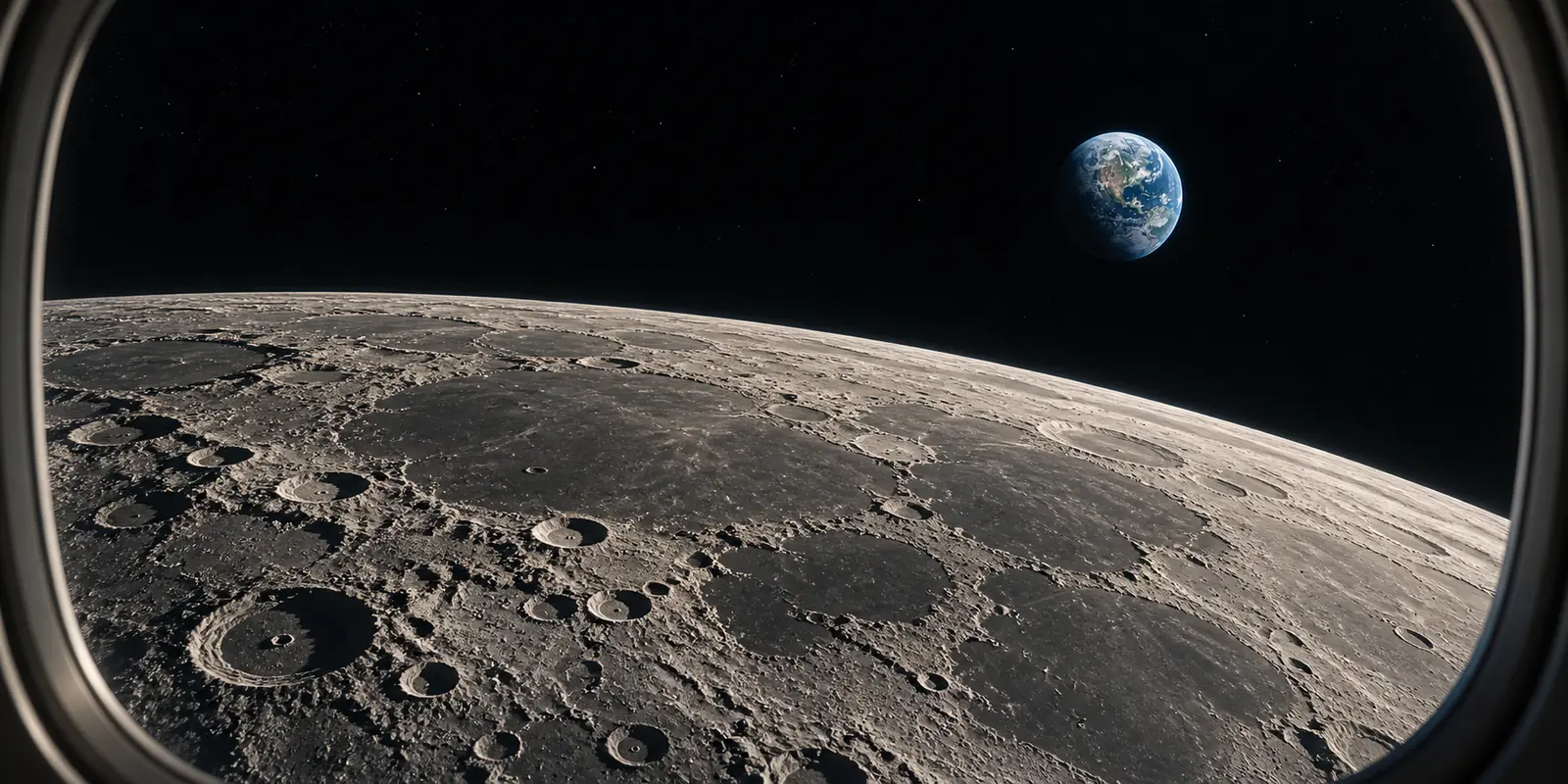
Four destinations. One journey forward.
Open a destination to explore its vision, the next steps and what is still undecided.
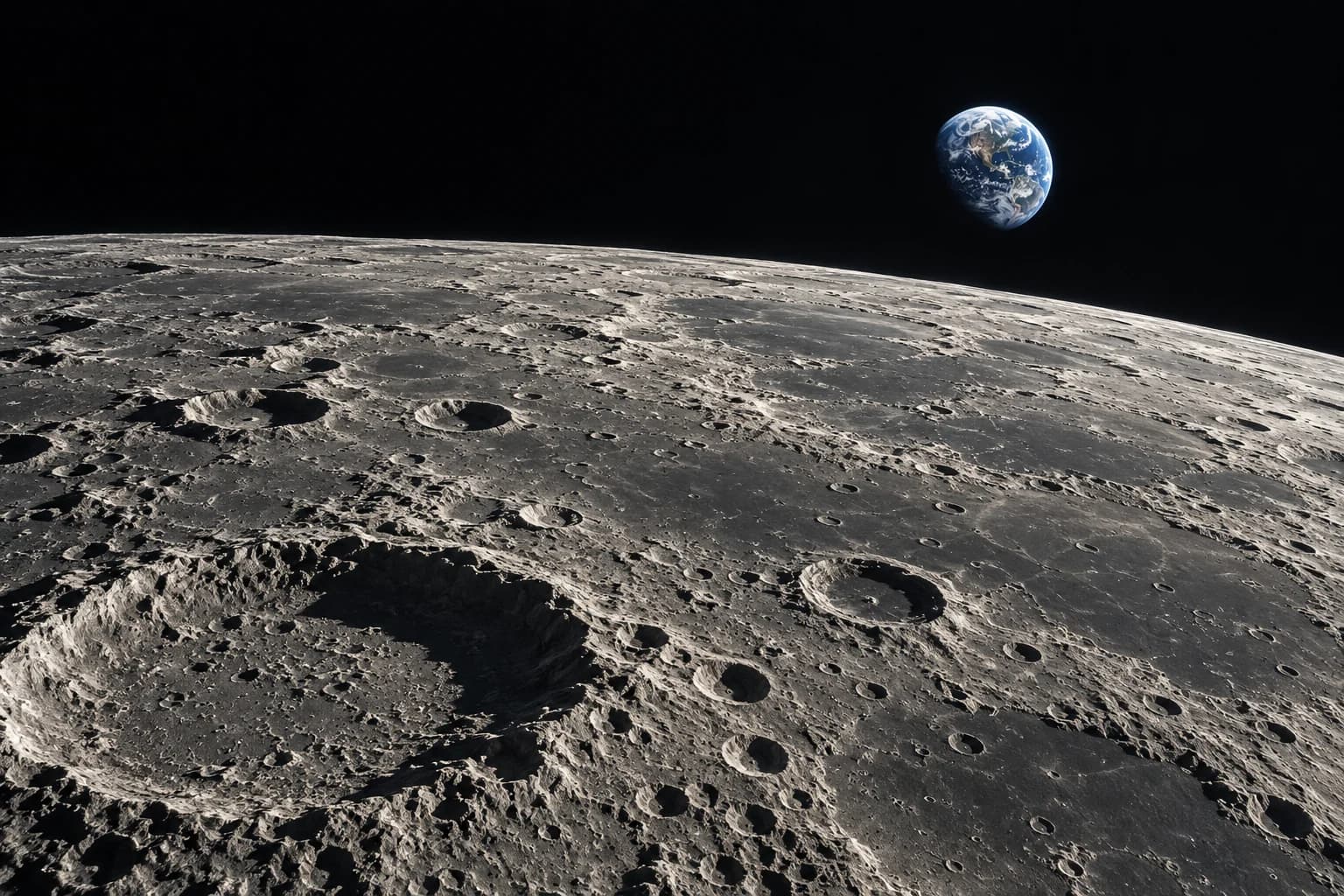 MoonOur next horizon. Robots first, people later.
Long-term plan · hardware not built
The first step is an uncrewed mission: Arin lands, places a Japanese flag and Copernicus logo plate, collects lunar samples with its robotic hand, and returns to Earth with them. Its appearance and hardware specifications remain undecided.
Beyond exploration, the long-term concept is a base for energy, communications, supply and the work that follows.
Long-term goal per person: lunar orbit and Earth return, without a lunar landing or hotel. Not a verified cost or a sale price; achievable date undecided.
An existing, unverified hotel-journey price target. A separate trip from the no-hotel ¥80,000 goal.
Still open: landing site, sample container, return architecture and planetary protection. No bookings or sales.
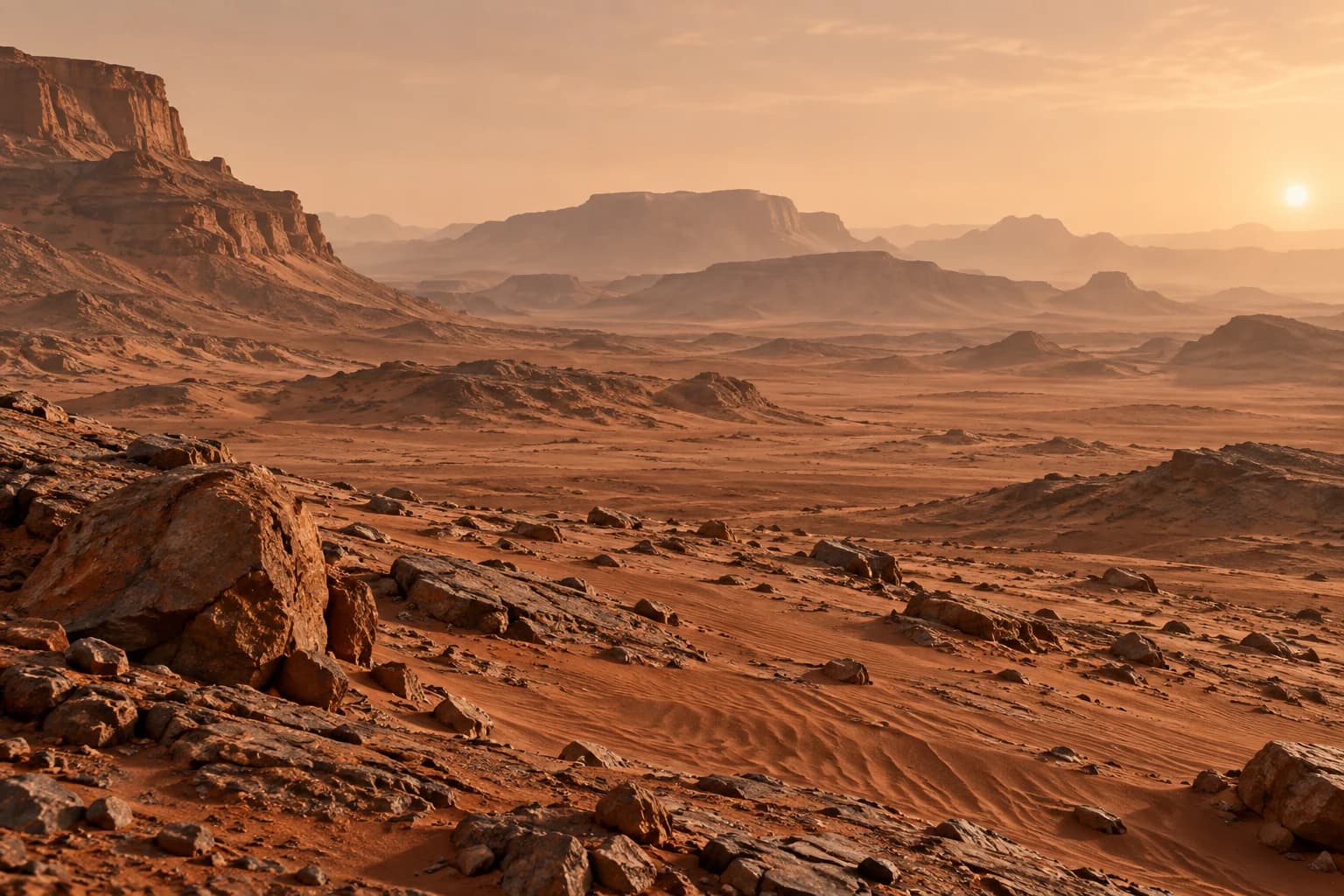 MarsExplore first. Build the foundations for life.
100-year direction · no fixed date
From robotic exploration to energy and logistics, then safe human stays and daily life. Making Mars a place to live—and eventually building cities—is a 100-year direction, not a fixed schedule or a claim that the technology is ready.
The Moon could support energy, communications, supply and maintenance. Direct transport from Earth to Mars would also be considered as technology matures. Safety, technical evidence, funding, law, transport and energy determine each next step.
Still open: starting point, population, city scale, legal framework, funding, transport architecture and intermediate gates. This is not a territorial claim or a promise to others.
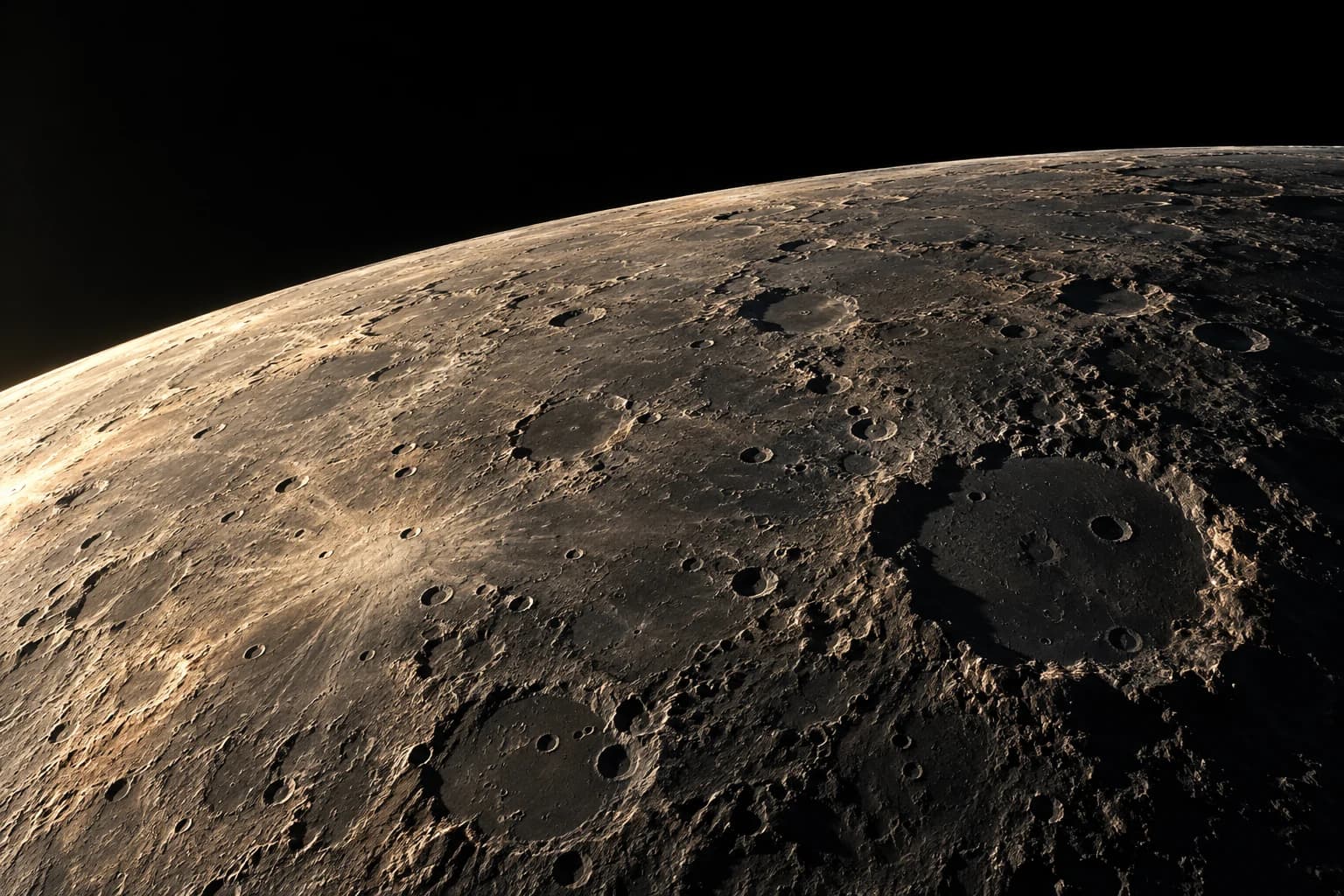 MercuryToward the world nearest the Sun.
Further-future research · dates and fares open
Mercury is the smallest planet in the solar system and the closest to the Sun. Its surface can reach about 430°C in daylight and fall to about −180°C at night. Beyond simply reaching it, protection for the people and systems making the journey needs to be verified. NASA Science ↗
Verify protection for spacecraft systems and the people inside.
Define transport, energy and recovery for the whole journey.
Verify life support, radiation protection and emergency responses.
Routes, journey times, service decades—including the 2050s or 2060s—and passenger fares are undecided. Technical evidence, human safety, law and full return costs must be reviewed. No bookings or sales.
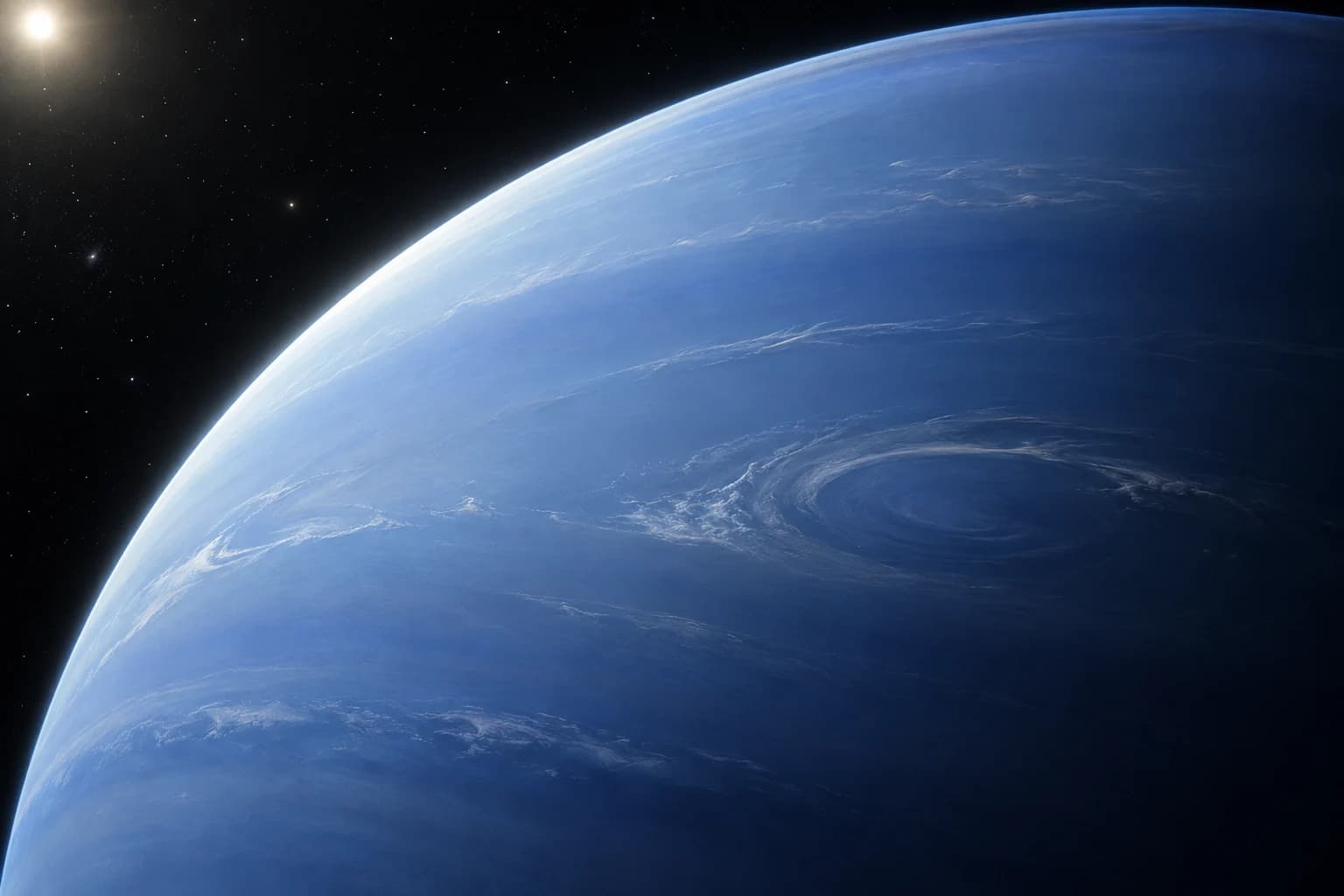 NeptuneA distant world, seen from surrounding space.
Distant-future research · dates and fares open
Neptune is a distant ice giant with no solid surface for a spacecraft to land on. Our travel vision concerns a view from surrounding space. The route, journey duration and Earth-return capabilities remain undecided. NASA Science ↗
Define transport and Earth return before promising journey times.
Verify life support, radiation protection, health care and supply.
Sustain power, communications and operations far from the Sun and Earth.
No service decade or passenger fare is set, including the 2050s or 2060s. Human safety, technical evidence, legal conditions and full return costs come first. No bookings or sales.
Venus and the Jupiter, Saturn and Uranus systems are also further-future research directions. Routes, journey times, service dates and fares remain open.
The world we want to make possible
Long-term goal per person · lunar-orbit round trip · no lunar landing or hotel※3
This is the future we are aiming for. It is not an available fare or a verified cost, and we have not set a date for achieving it.
| Review horizon | Estimated fare | Inputs still needed |
|---|---|---|
| 2050 | Not yet calculated | Verified trip costs, paying passenger count, reuse and operating assumptions |
| 2060 | Not yet calculated | Verified trip costs, paying passenger count, reuse and operating assumptions |
2050 and 2060 are points for examining future scenarios, not promised service dates. There is not yet enough verified input to publish a fare forecast or a date when ¥80,000 becomes achievable.
Ticket revenue equals the fare multiplied by paying passengers. If funded solely by fares, it is an absolute upper limit on spending before tax, profit and other deductions—not a forecast of trip costs.
| Paying passengers (examples) | Gross revenue per round trip |
|---|---|
| 10 people | ¥800,000 |
| 50 people | ¥4,000,000 |
| 100 people | ¥8,000,000 |
These are sensitivity examples, not Kepler capacities or demand forecasts. At 50 paying passengers, gross revenue is ¥4,000,000. The usable cost budget is lower after deductions.
The full cost calculation must account for:
Cost per person = shared round-trip costs ÷ paying passengers + passenger-variable costs. Selling prices also need defined margin, tax and fee assumptions. Comparisons across decades need a common money-value basis.
The earlier ¥75,000-per-flight hypothesis has no defined vehicle, year or cost scope. It is not used as a verified lunar launch cost. Unknown inputs are never treated as zero.
One connected plan
The Nicolaus launch program, the Kepler spacecraft concept, and space energy are the foundations. Every journey depends on verified technology, human safety, legal and funding conditions—not a promised calendar date.