
FIRST EVIDENCE
Nicolaus 1
Make the first 100 km the foundation for everything that follows.
The concept for Copernicus Sust’s first-generation vehicle, designed for fully uncrewed flight. No flight hardware exists yet. One flight plan will test reaching a maximum altitude of at least 100 km, transmitting flight data to the ground while storing it onboard, splashing down in an ocean area to be chosen through a future review, and recovering the vehicle.
- Mission Requirements V0.1
- S01–S04 Not Evaluated
- Flight Hardware Not Implemented
- Dangerous hardware work: Hold
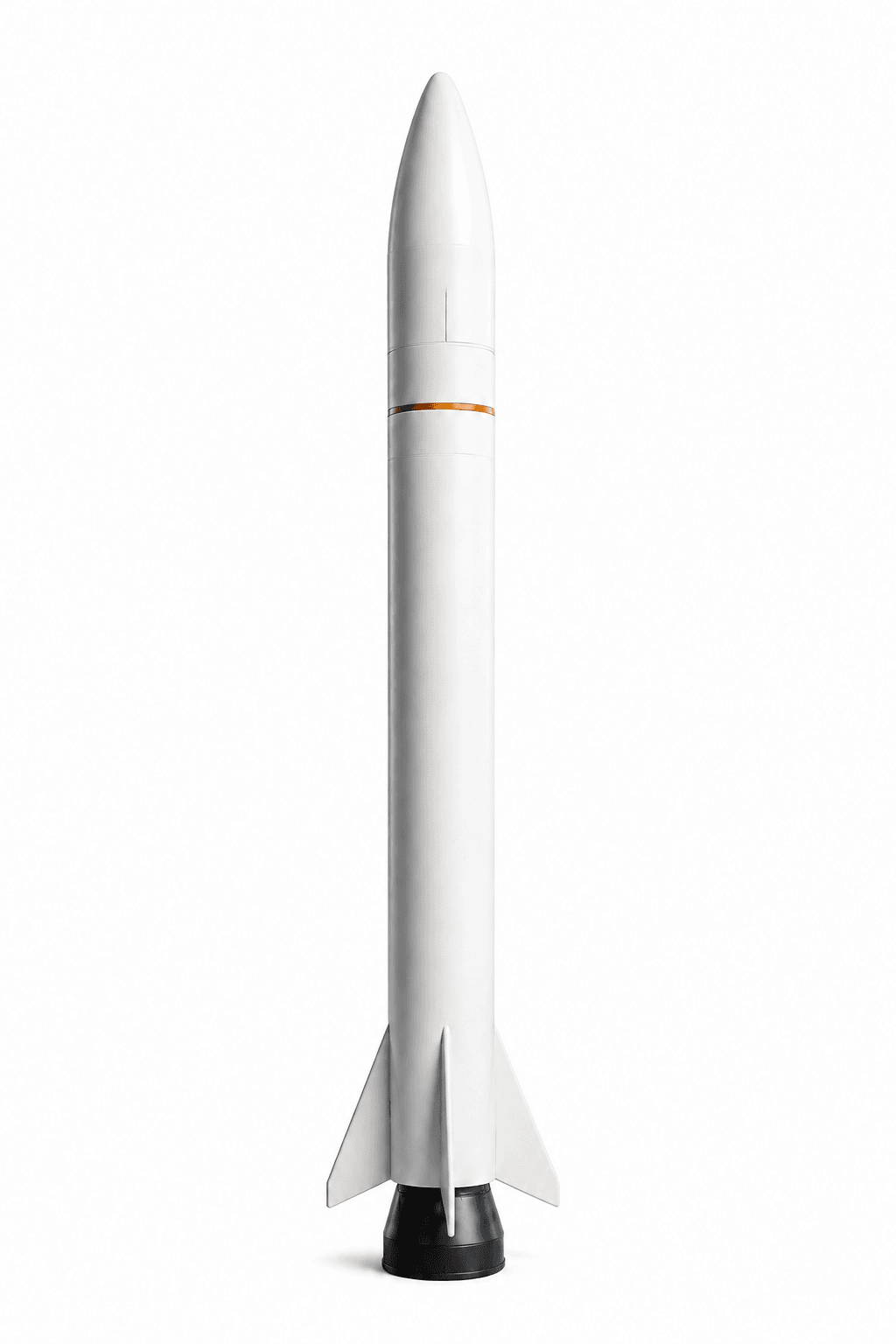
- Generation
- First generation
- Underside engines
- The underside layout design target is one central engine
- Payload
- Non-separating internal measurement unit
- Flight target
- Target maximum altitude of at least 100 kilometers. No flight attempt has taken place.
Nicolaus 1
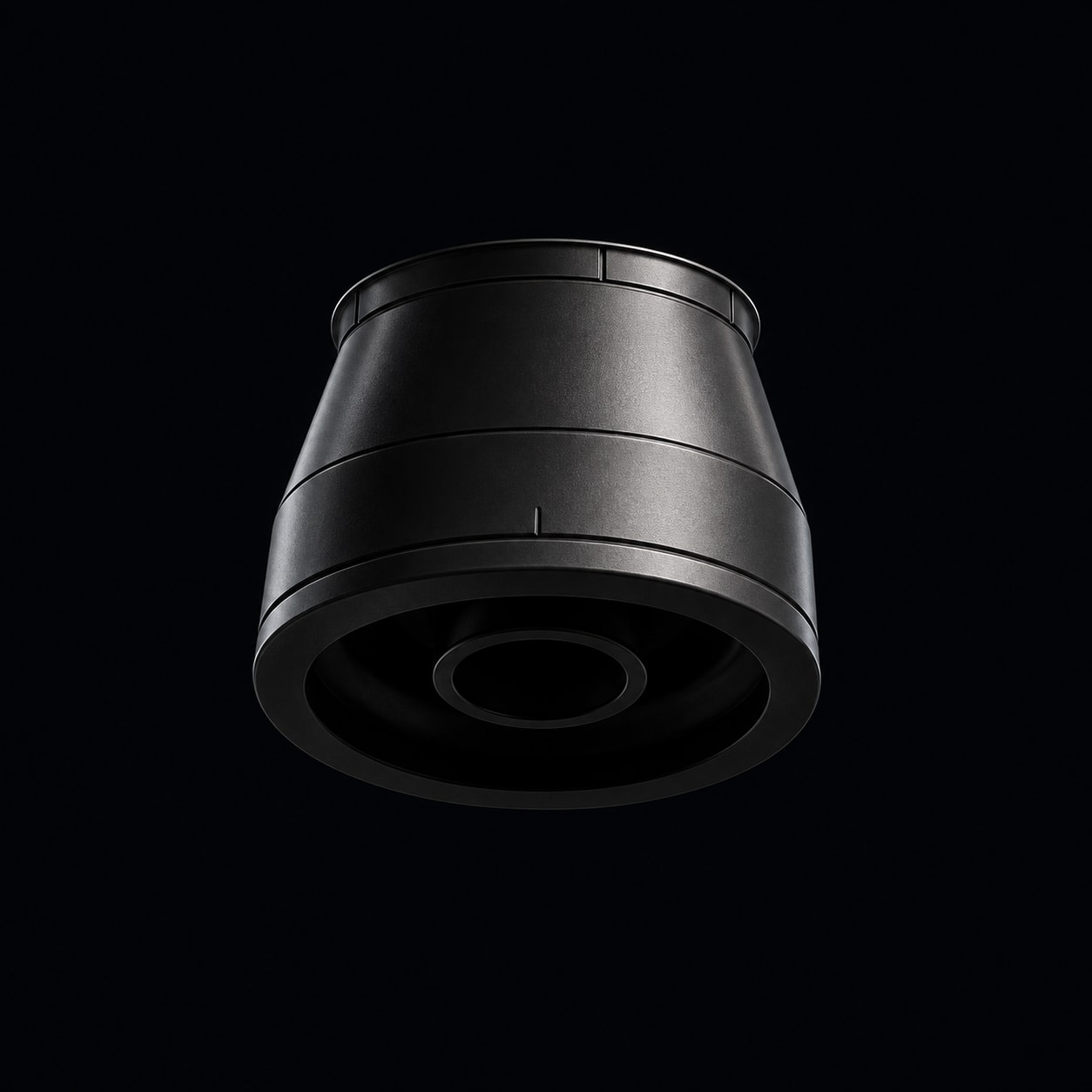
A closer lookOne engine. At the center.
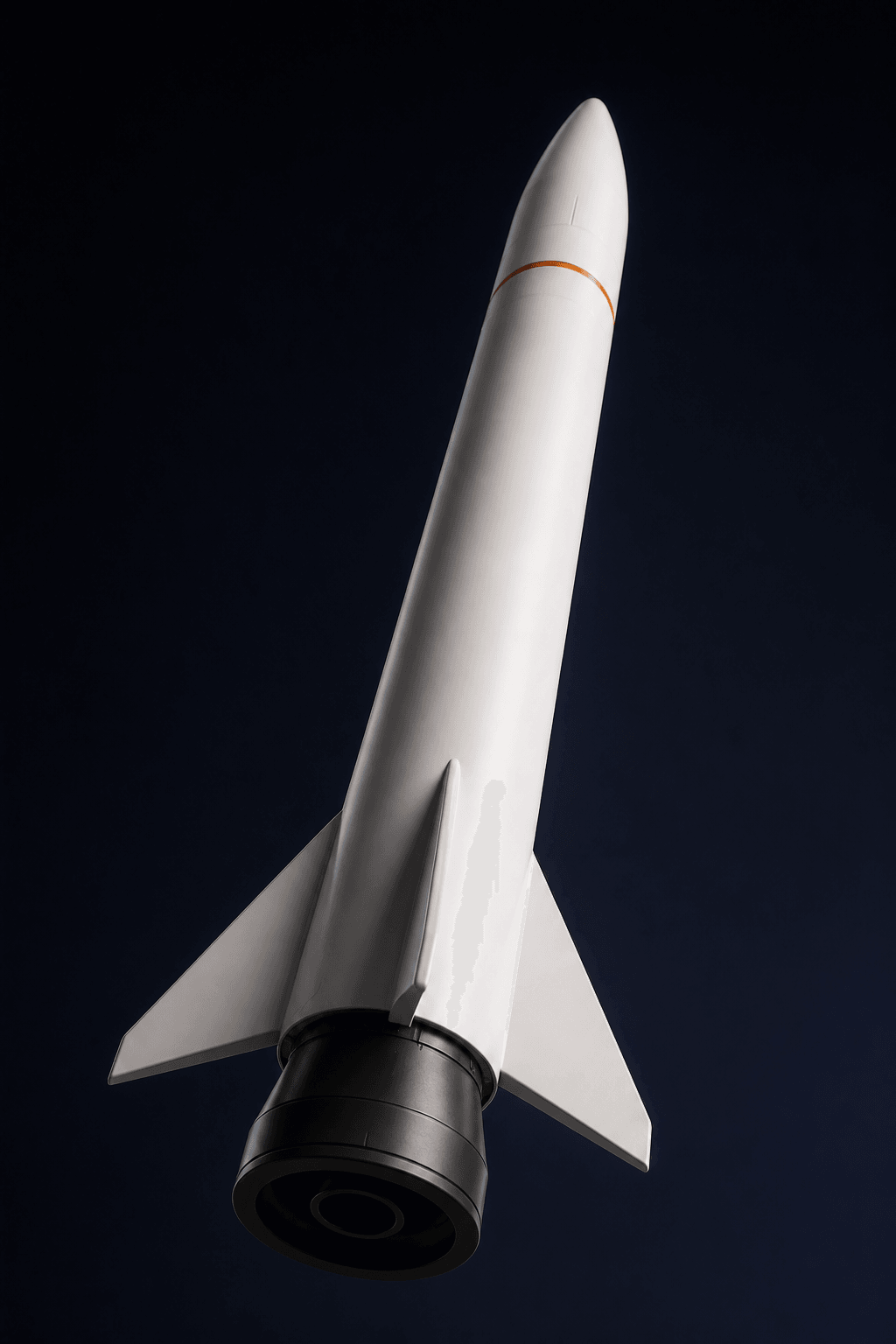
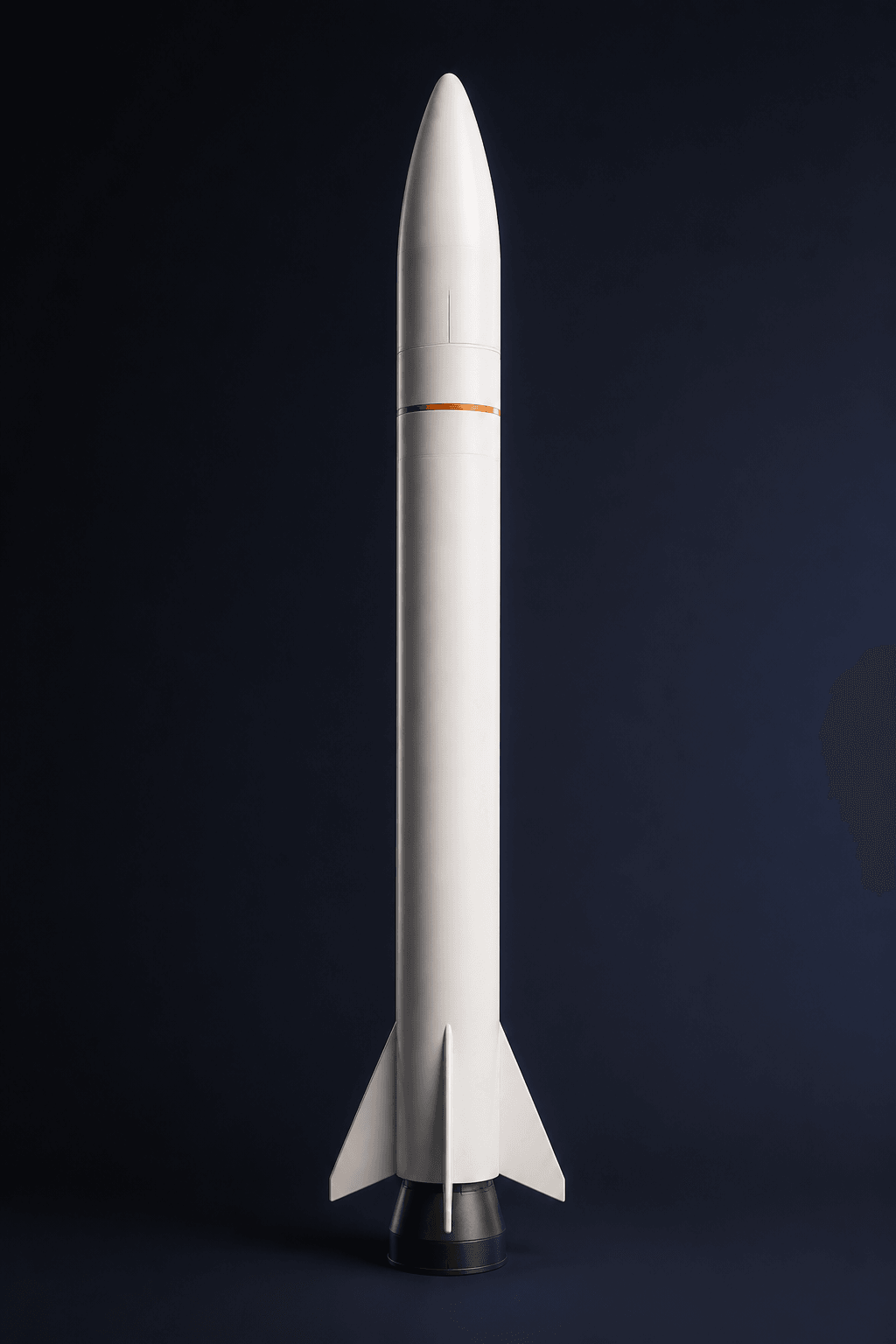
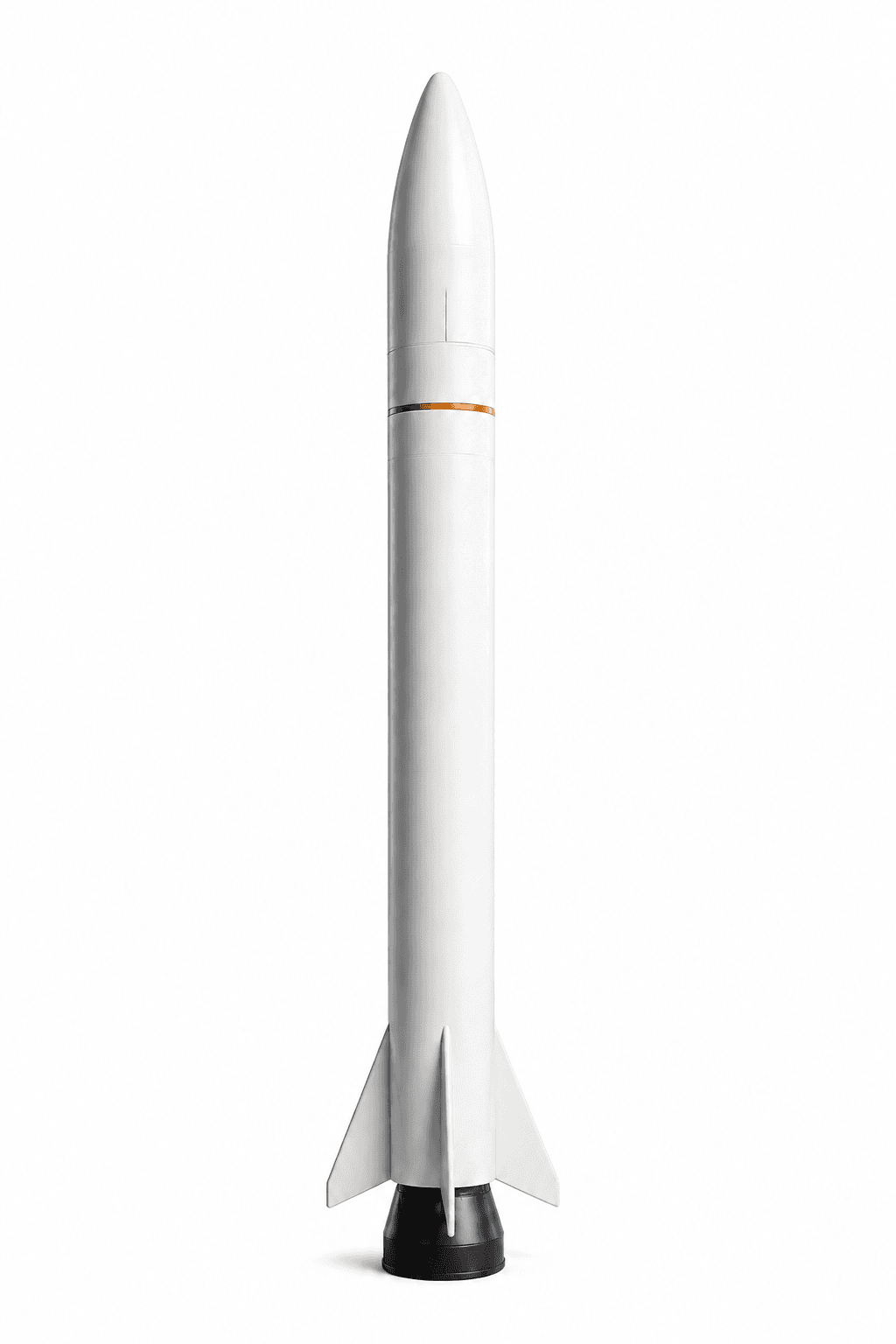
Nicolaus 1 is planned around one engine at the center of its underside. Explore the black exterior on its own, then see how it sits within the vehicle.
- Engine count · design target
- 1 engine
- Position
- Underside center
Exterior CG. Engine type, thrust, propellant and dimensions remain undecided.
01 of 3: Engine
Vehicle design · Exterior CG
Explore in 3D
Explore the vehicle
yourself.
Use the bar below to move smoothly between front, side, rear and underside views. Reset in the upper-right corner returns to the front. This concept 3D model illustrates the vehicle configuration.※2
 3D loads as you approach this view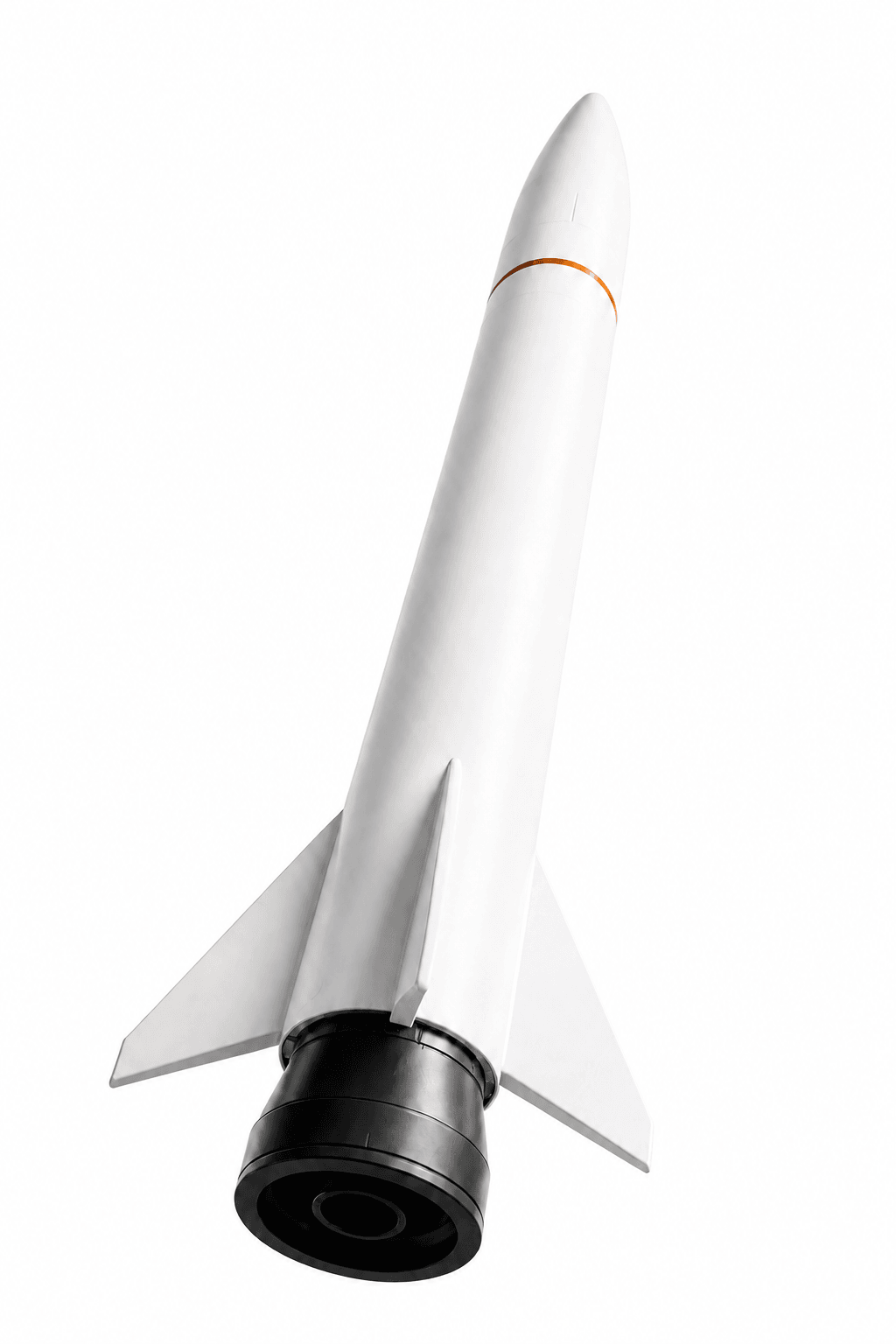
Underside · Nicolaus 1
One continuous form, down to the base.
A view from below of the single central engine arrangement, showing the current vehicle design.
Engine layout
Layout design target: one central engine
Main propulsion section · One central engine
Schematic · Not to physical scaleLayout schematic · Design target※3
Flight sequence
From the start of flight through recovery.
- 01Target a maximum altitude of at least 100 km with a single-stage, fully uncrewed vehicle
- 02Transmit flight data to the ground and store it onboard
- 03Descend without propulsion after maximum altitude and decelerate using a method defined and reviewed before flight
- 04Splash down in an ocean area selected through a future review, then locate and recover the vehicle itself
What must be proven
Four conditions for complete success.
- Confirm at least 100 km using multiple predefined measurements
- Confirm both ground transmission and onboard storage
- Confirm that the ocean splashdown meets predefined acceptance criteria
- Locate and recover the vehicle itself
Open decisions
What is still undecided.
- Vehicle specifications: dimensions, mass, structure, propulsion, and fuel
- Flight systems: guidance, navigation and control (GNC), abort, descent, and recovery
- Launch conditions: trajectory, ocean area, weather, and launch site
- Measurement-unit mass, dimensions, and configuration
- Quantitative success criteria and data review
- Legal requirements, permits, insurance, responsible authorities, and operating structure
The current plan
Design and verification.
That is where we are today.
Numbers are design targets. Flight hardware has not been built or flown.※4
Notes
- ※1
- ※2
- ※3
- ※4