Accelerate design, calculation, and comparison
Supports requirement definition, model creation, anomaly discovery, documentation, and review preparation.
First vehicle
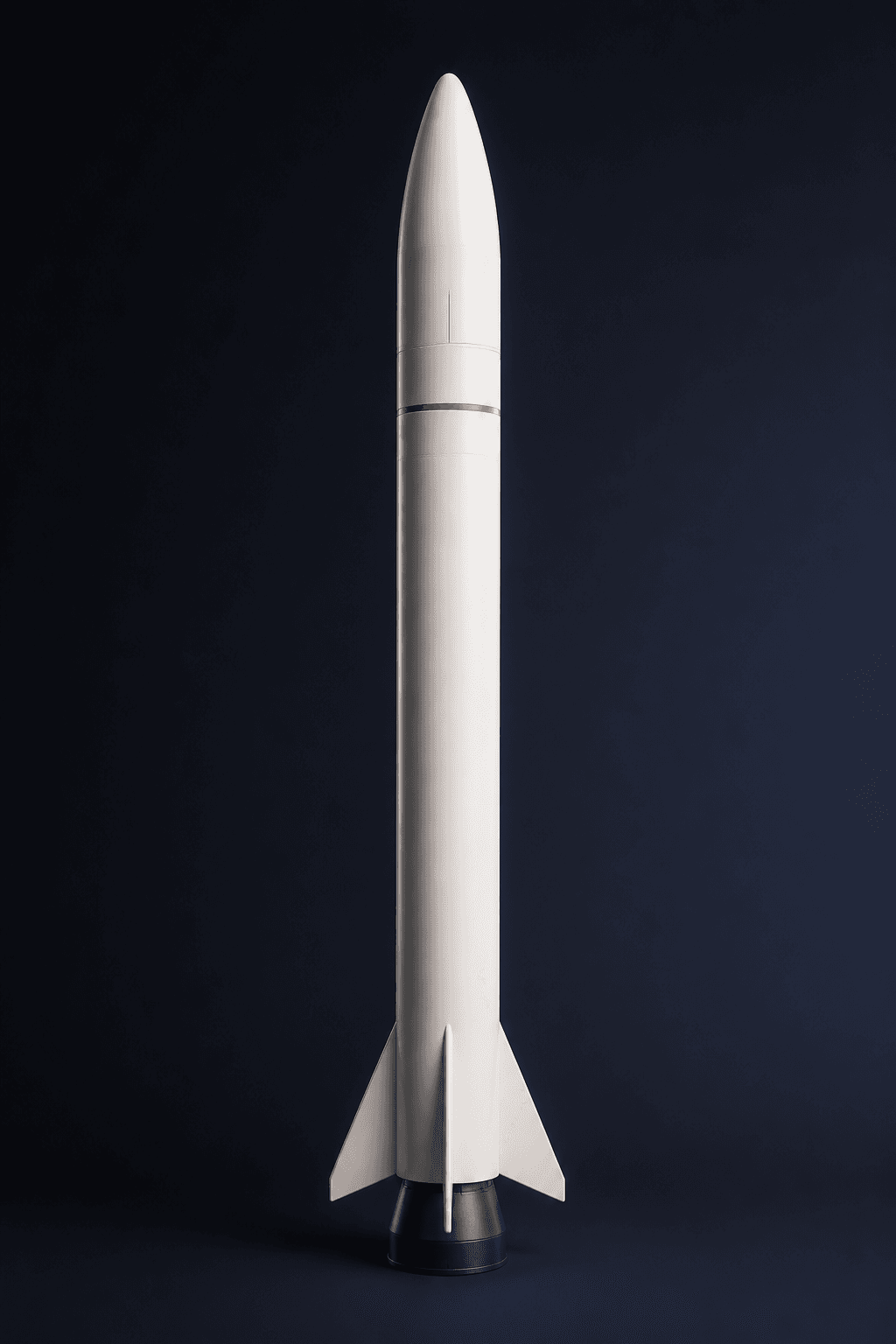
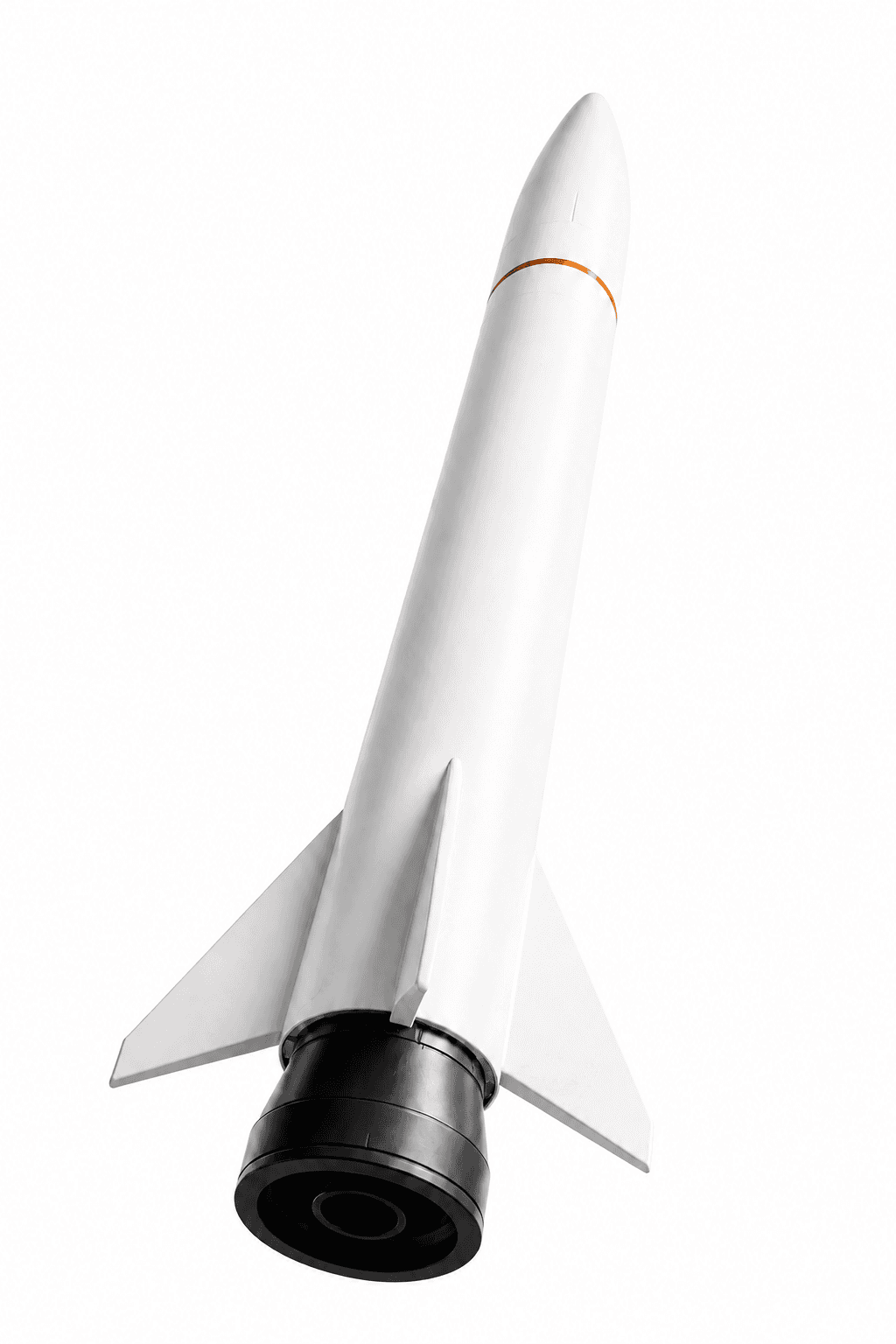
Our first rocket, planned for in-house development. A single-stage, fully uncrewed vehicle targeting a maximum altitude of at least 100 km. One flight plan will test live telemetry, onboard recording, unpowered descent, ocean splashdown, and vehicle recovery.
November 2027 · Conditional earliest target · Hardware not built※1
Our core business
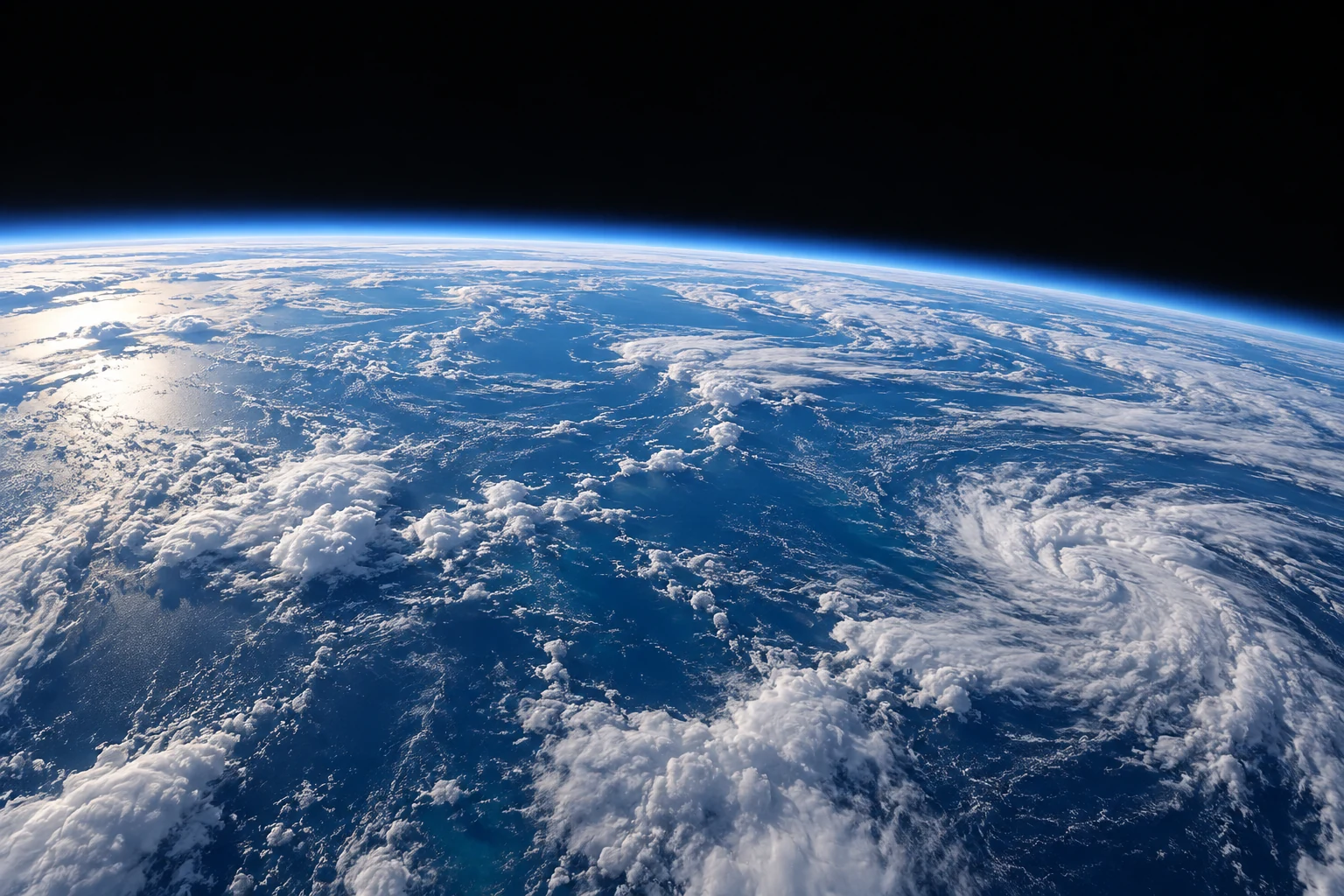
Space energy is the core business of Copernicus Sust Space. We aim to generate, store, manage, and deliver energy to the people and systems operating in space.
Our development, today
We are preparing the design and verification environment for our own vehicles. Nicolaus Studio V1.1 is a local Mac candidate, with a limited GUI review recorded on September 8, 2026.
Plans, design targets, and exterior concepts exist. Flight-success conditions are defined separately from flight results.
Numerical experiments and an illustrative 3D preview are separate features. Real-vehicle flight prediction is not implemented; the app is not publicly distributed.
Flight hardware, a dedicated factory, a launch site, permits, and flight results do not yet exist. Hazardous hardware work remains on hold.
Flight success criteria
A maximum altitude of at least 100 km confirmed by multiple pre-defined measurements; transmission to the ground and onboard recording; an ocean splashdown that meets pre-defined criteria; and discovery and recovery of the vehicle itself. A flight counts as one complete success only when all four conditions are met.
Quantitative acceptance criteria: OPEN※2
Lower cost by design
We iterate design and analysis digitally, concentrating funding on manufacturing, testing, facilities, operations, and recovery. Once reuse is established, we will build evidence that the same vehicle can fly again safely and use it to reduce the cost per flight.
Per flight · Not formally adopted※3
An exploratory long-term hypothesis, not a ticket price or an achieved cost. Vehicle, timeframe, cost scope, and reuse conditions remain undecided.
Copernicus Sust Space
What we aim to achieve, when we aim to achieve it, and which conditions must be met before moving forward. We publish decided planning dates separately from timing that is still undecided.※4
AI and human responsibility
Supports requirement definition, model creation, anomaly discovery, documentation, and review preparation.
The design policy allows Safety AI to issue STOP only within pre-defined and approved conditions. It is not implemented today. Only accountable humans may decide GO, release a STOP, restart, or accept risk.
Accountable humans decide GO, HOLD, STOP, release of STOP, risk acceptance, crewed GO, legal matters, quality, and contracts.
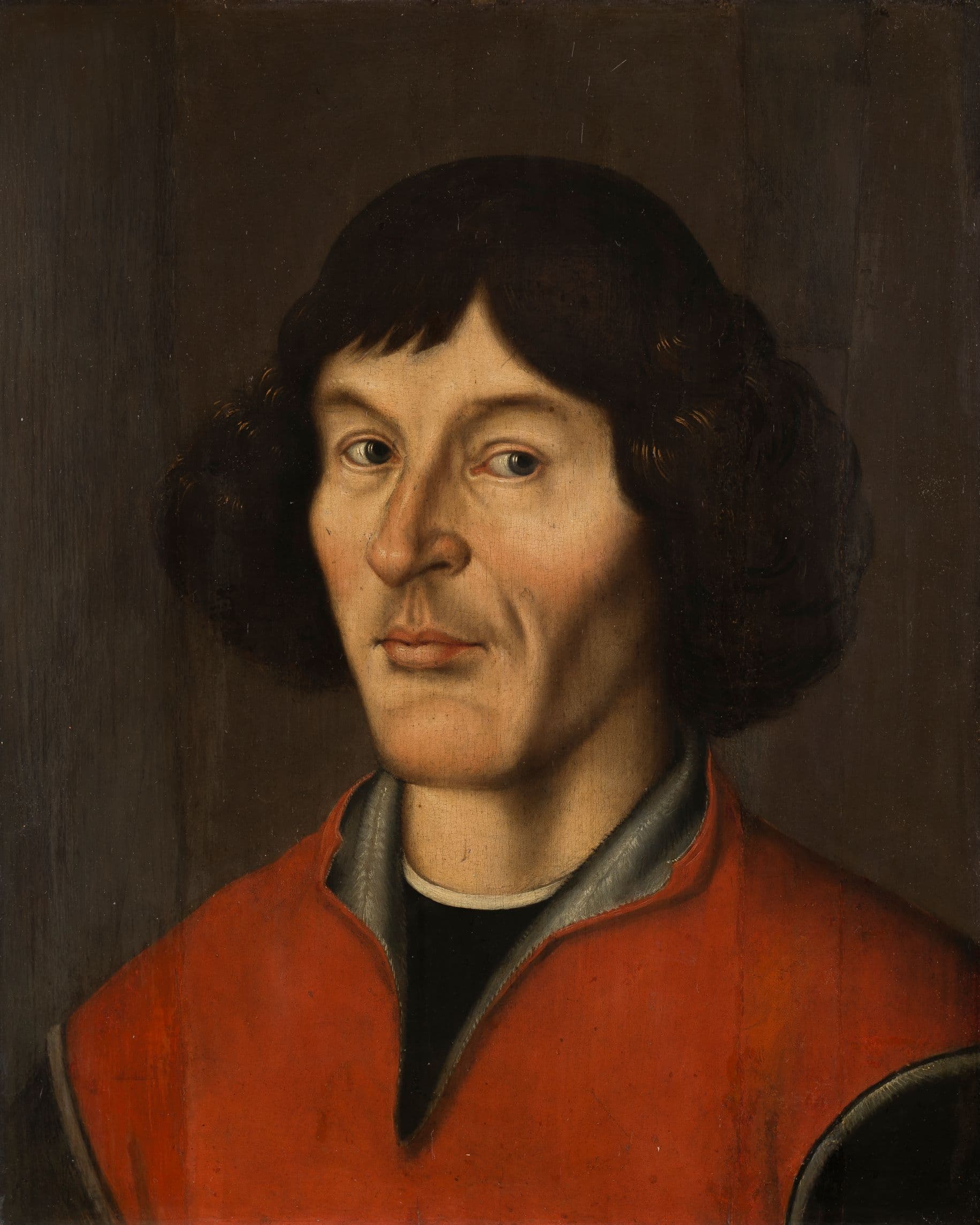
A TRIBUTE · 1473–1543
The respect behind our name. The responsibility we carry forward.
Read our tribute